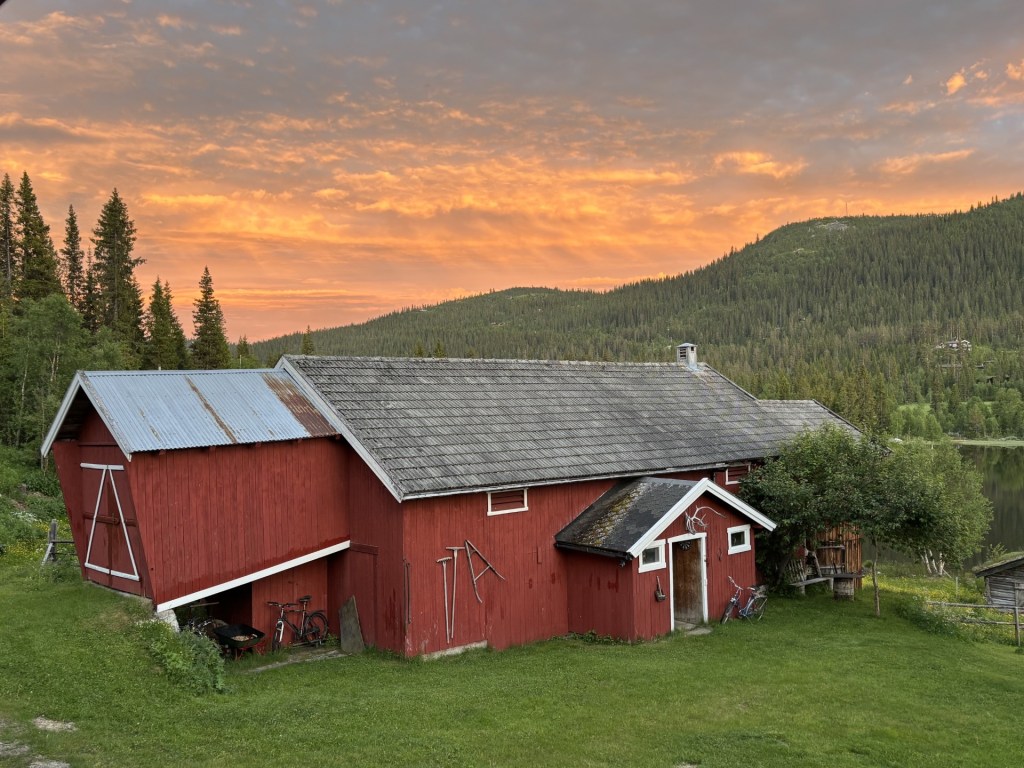
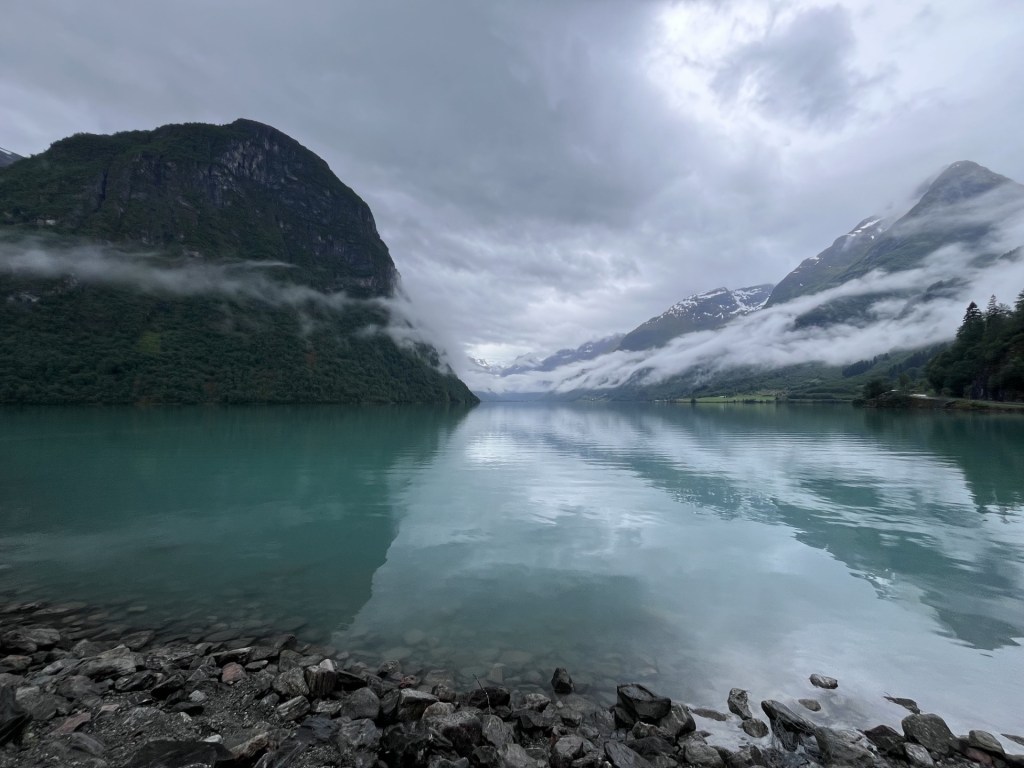
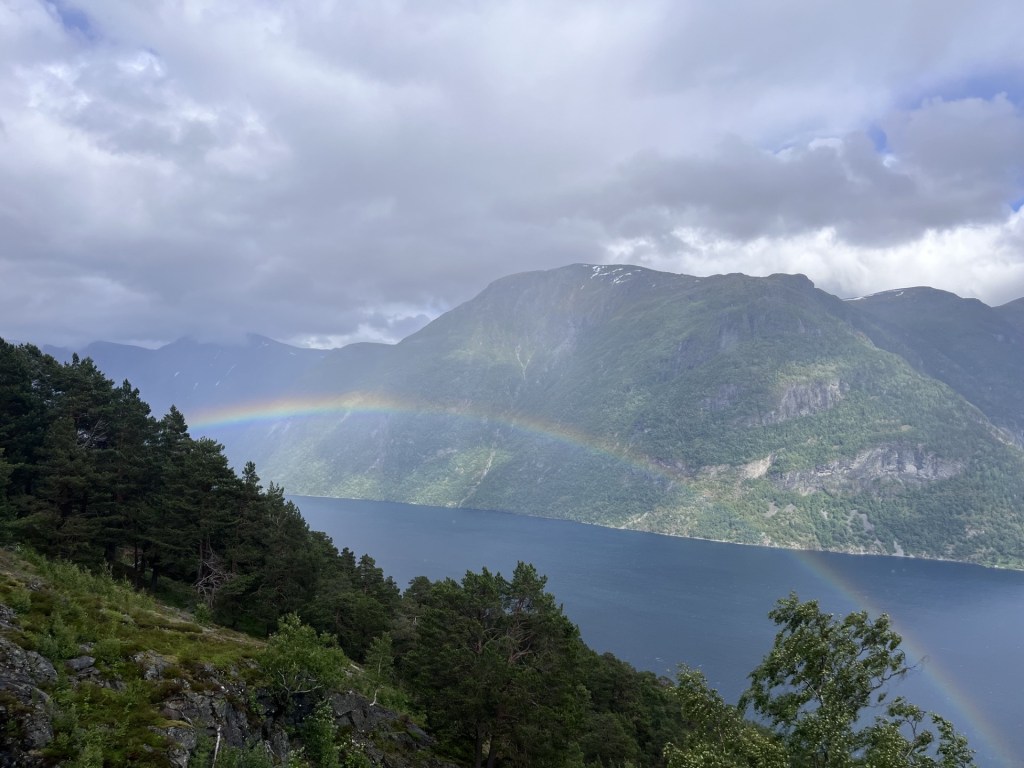
I recently travelled to the beautiful country of Norway, my trip started within the region of Geirangerfjord which is a UNESCO world heritage site and recognised as one of the world’s most beautiful fjord landscapes and it really did live up to it’s reputation. The area we stayed in was made up of lots of islands interconnected mostly by ferry crossings, it’s a very mountainous region and minimally populated. To live here you have to withstand harsh weather conditions throughout the year but especially during the winter months when average temperatures can drop to -11⸰C and there is minimal daylight. I visited in the summer months when temperatures were around 15⸰C, mostly clear skies, some rain and constant daylight, perfect conditions for making the most of the many hiking opportunities.
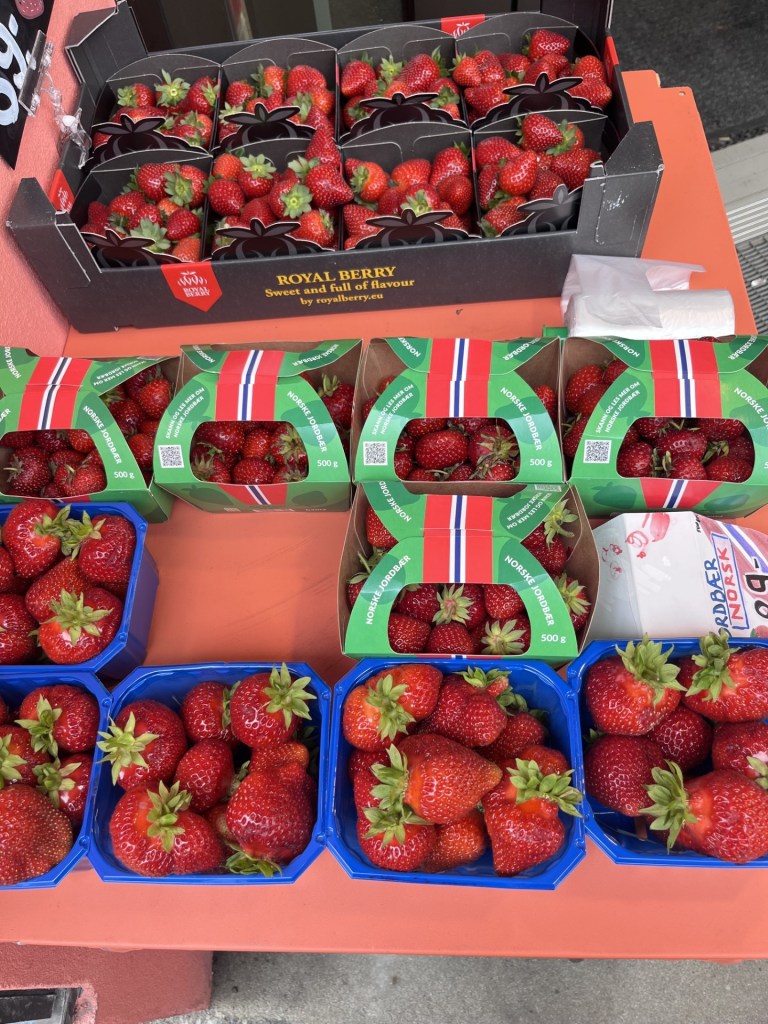
Food within this region was hard to experience, there were minimal restaurants, supermarkets and opportunities to experience local produce, one standout product associated with the area is strawberries, the local village of Valldal is renowned as the country’s premier grower, they have been cultivated for over a hundred years due to a unique microclimate and long daylight hours in the summer. These strawberries are very red in colour and sweet, best enjoyed fresh, they are also used to produce delicious jams.
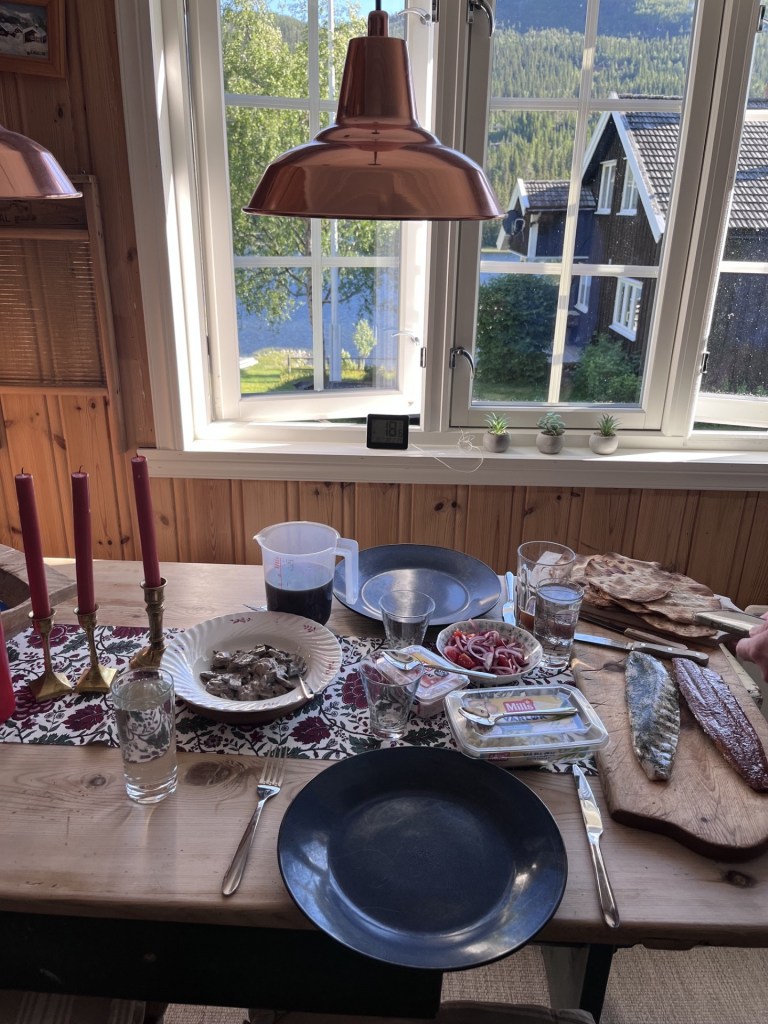
As I travelled further south the climate changed drastically, much warmer temperatures more reminiscent of summer, an increase of around 10 degrees, the landscape was also different, less mountainous, lush green pine forests, large lakes and more wildlife. Food access across this part of the country is similarly minimal, supermarkets are very small and can require long car journeys, food markets uncommon and eating out difficult in rural locations. As a result, I would recommend stocking up and preparing food at home, there were some standout products that I found of superior quality:
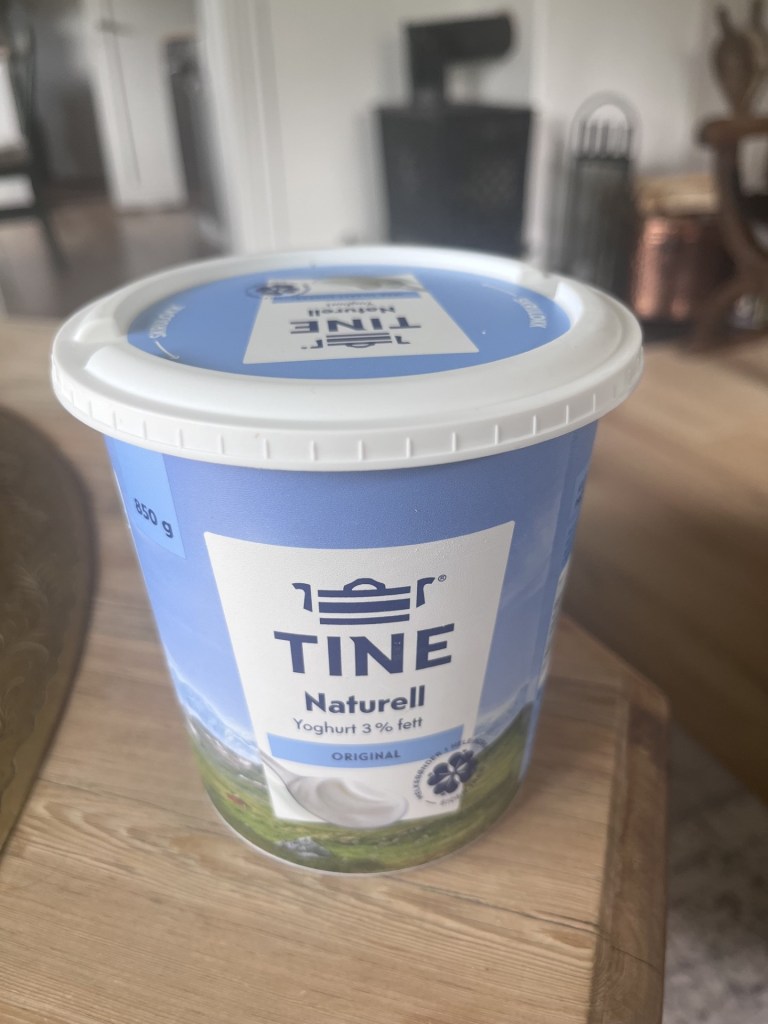
- Yogurt – creamy, rich and delicious.
- Granola – hunt out the freshly made bags sold in coffee shops
- Berries – strawberries and blueberries both favourites
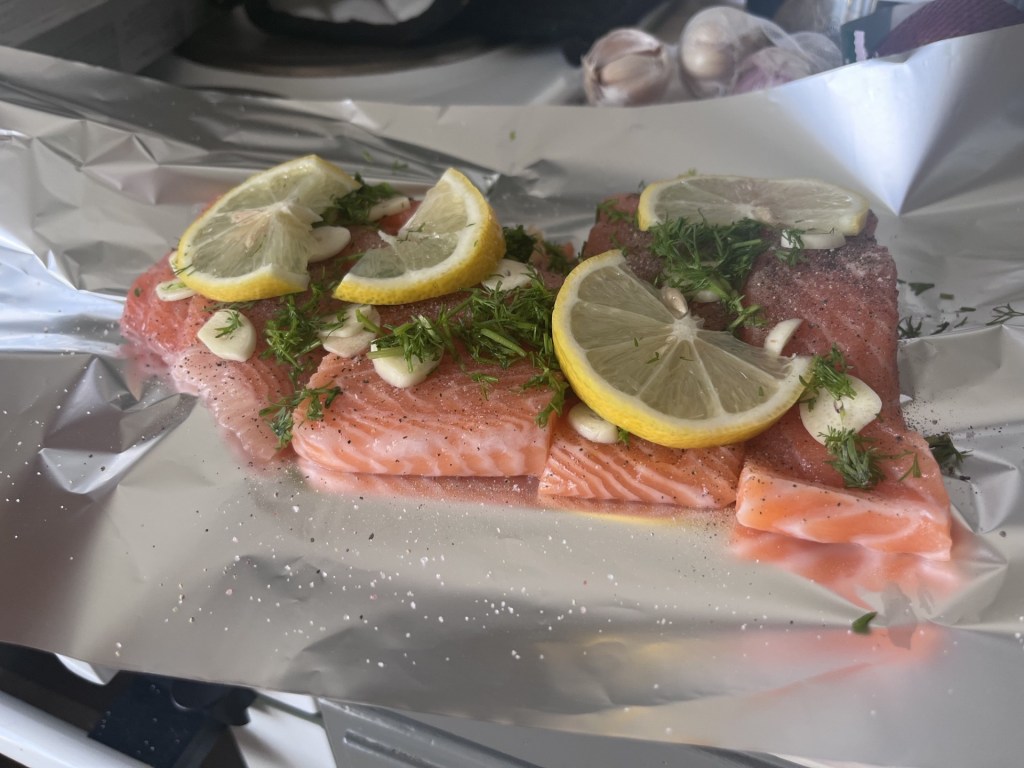
- Salmon – premium quality, popular in supermarkets
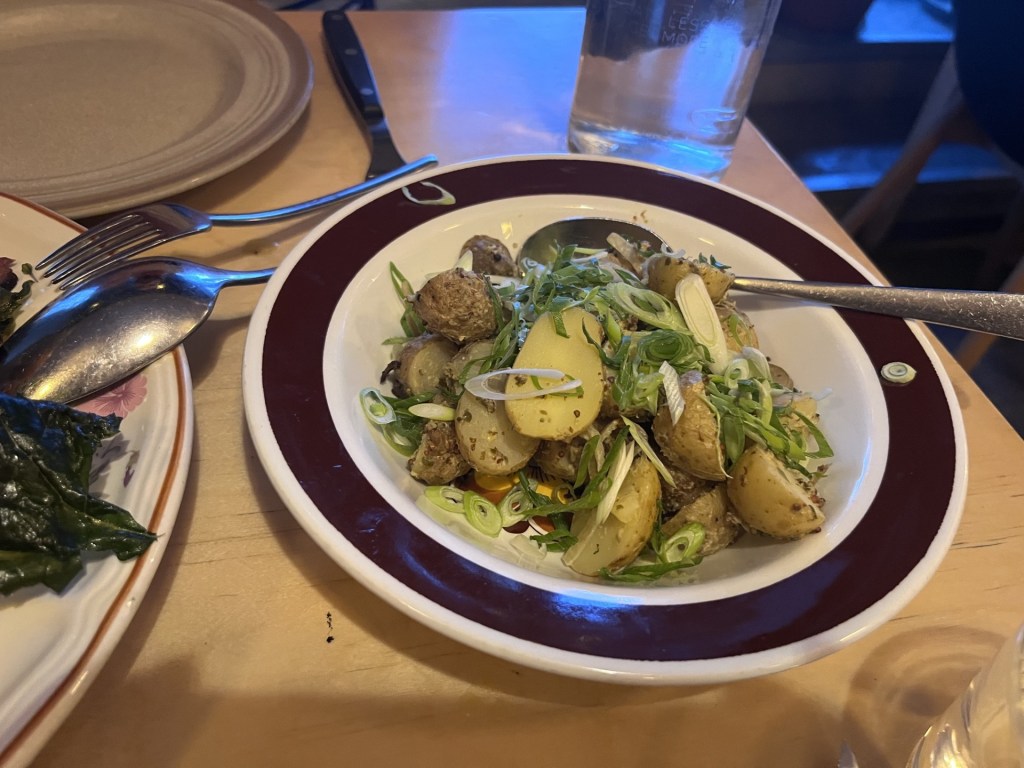
- Potato salad – in tubs, lovely accompaniment to bbq fish
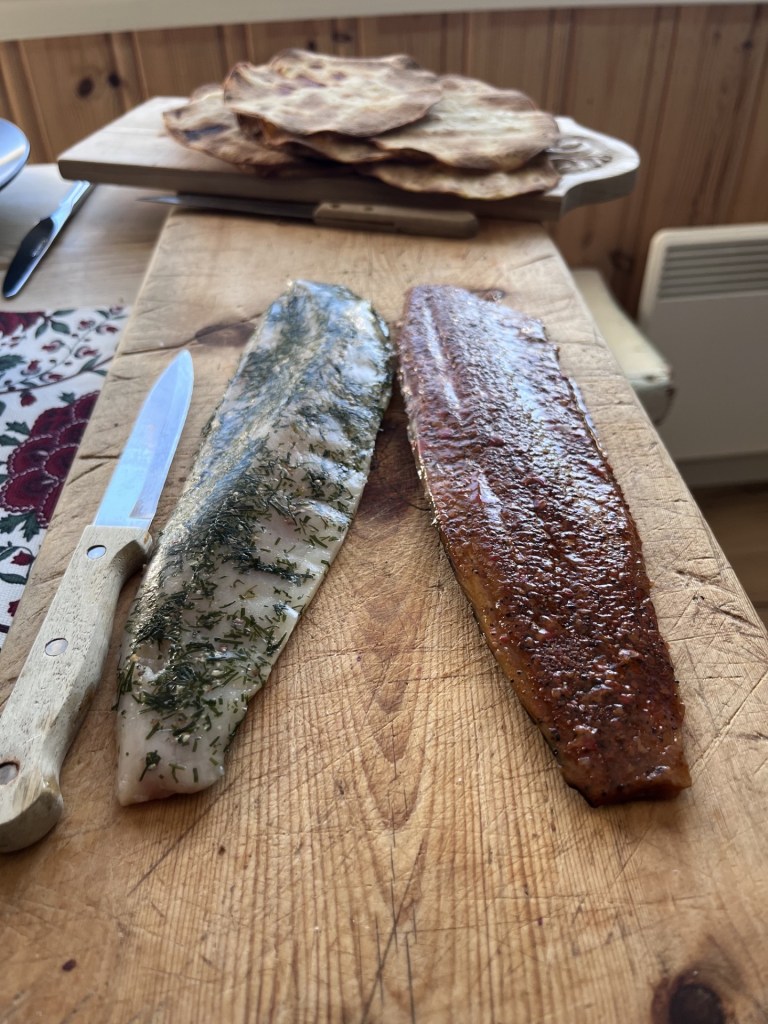
- Smoked fish – many varieties, commonly hot smoked and coated in dill
- Flat bread – often rye or seeded
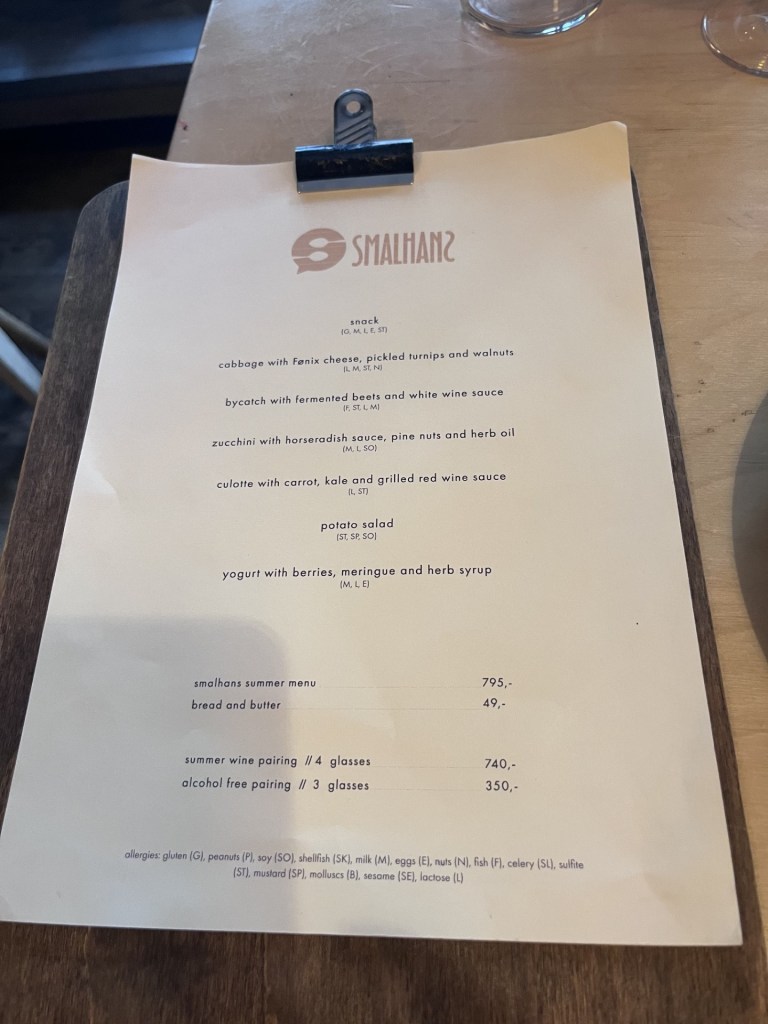
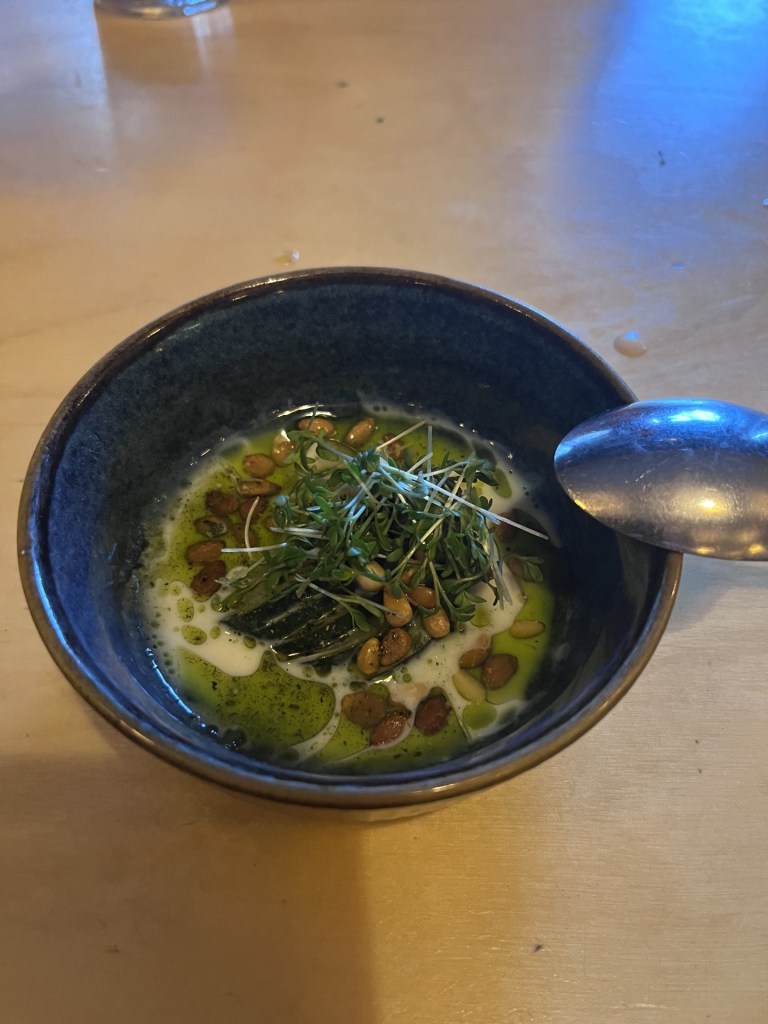
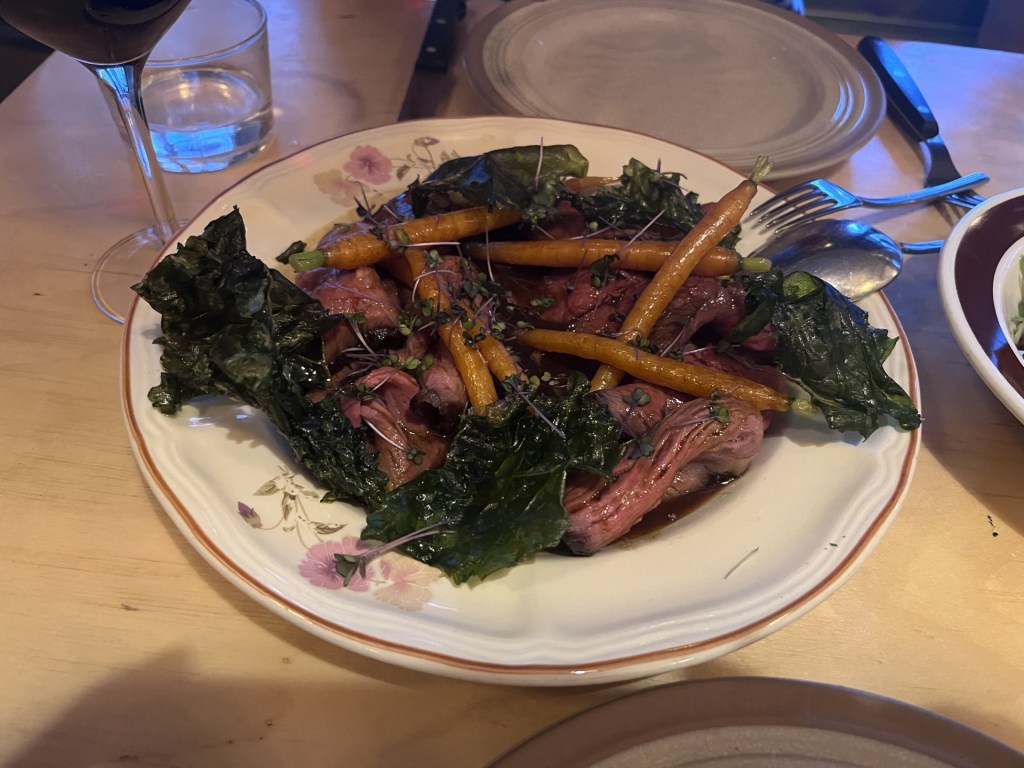
Final stops on the trip were whistlestop tours of Oslo and Bergen, both have a fantastic selection of restaurants and cafes. In Oslo I ate at a fantastic neighbourhood restaurant located in the very hip area of St.Hanshaugen called Smalhans (www.smalhans.no) it served a set menu of Norwegian inspired small plates for sharing, the menu was amazingly inventive and made the most of locally sourced ingredients and offered a really nice taste of the region.
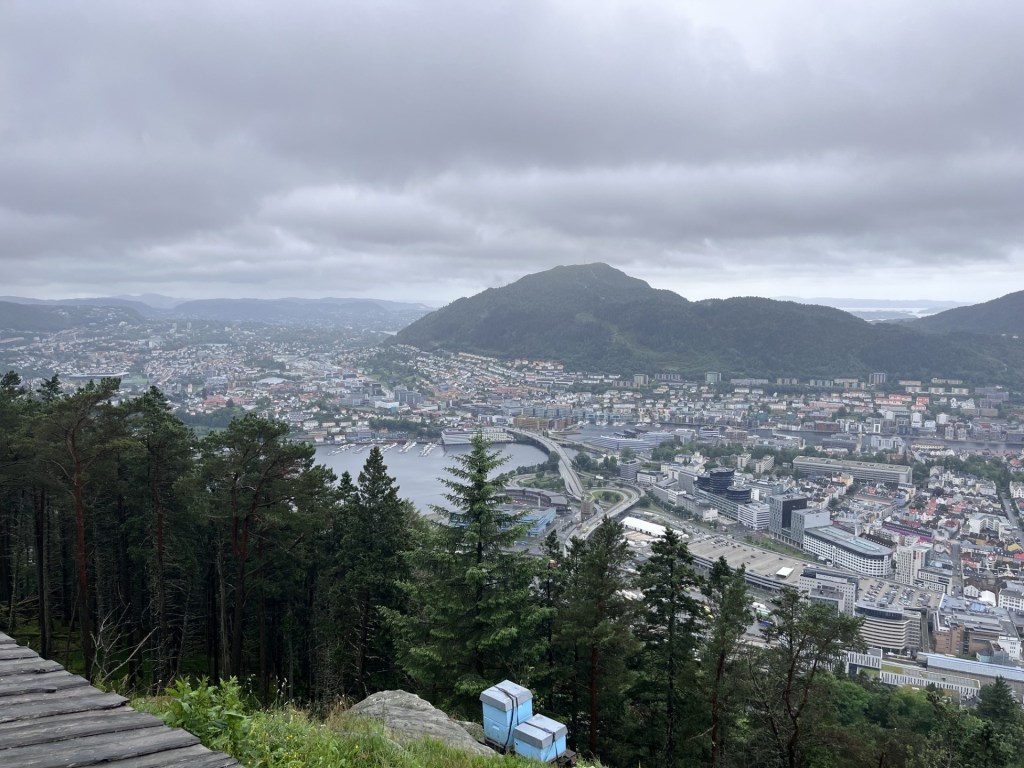
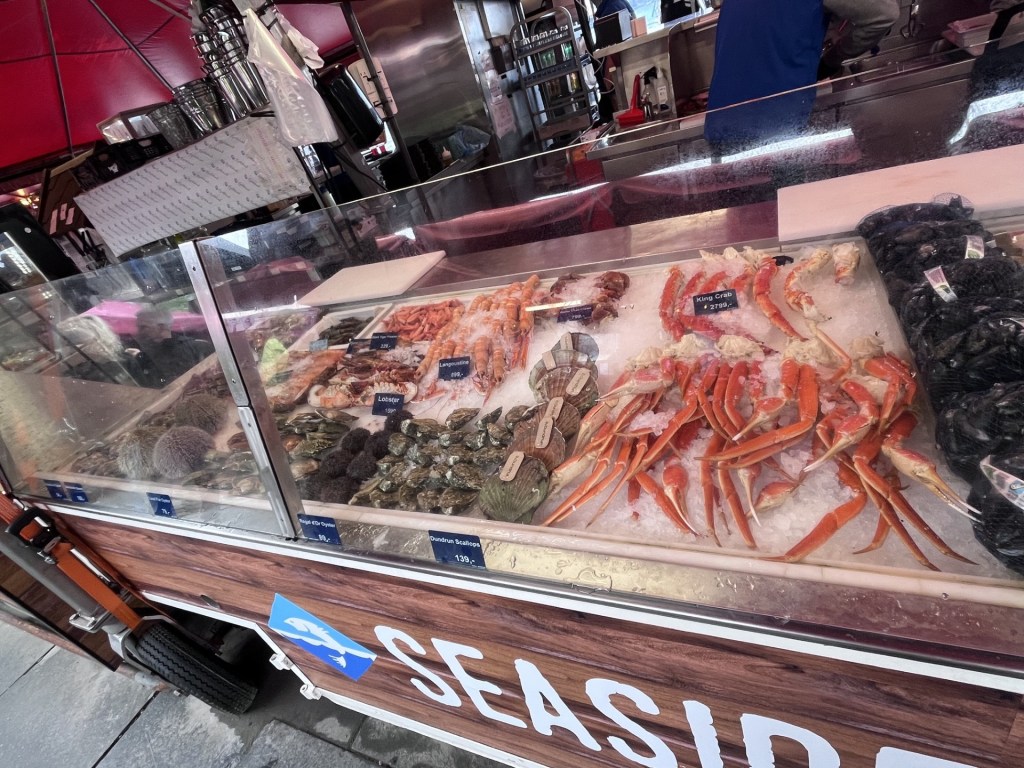
Bergen was also a great place to eat out, fish and seafood are very popular, especially at the huge fish market on the harbour front which offers amongst many other options plenty of sushi, lobster, crab and anchovies, all super fresh and served simply with lemon and maybe a dollop of aioli.
Upon my return home, I have been inspired to make my own natural yogurt to try to recreate the delicious Norwegian varieties, prepare fresh granola and eat more oily fish in the form of salmon, anchovies and herring, as well as tasting delicious this will increase my intake of a myriad of essential nutrients such as omega-3 fatty acids, calcium and B-vitamins.