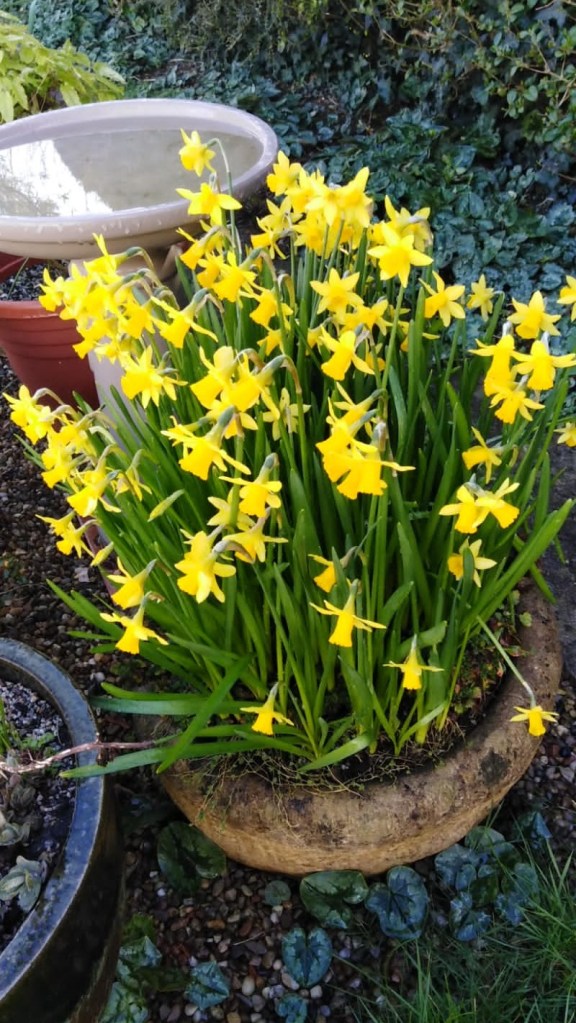
In honour of St David’s Day, I’m celebrating the less attractive emblem of the day…. the leek.
Leeks are in season from August to April in the UK and are a member of the Allium family which also contains onion, garlic, shallot and chives, they all share a high content of organosulfur compounds which many studies have suggested an increased intake can potentially lower the risk of several cancers [1].
Leeks contain a broad range of vitamins and minerals and provide a particularly good source of the following:
Vitamin K – plays an essential role in blood clotting and wound healing and maintaining bone density particularly important for menopausal women and the elderly [2].
Folate – Important during pregnancy to ensure normal foetal development, also involved in red blood cell production helping to reduce tiredness and optimise immune function [3].
Vitamin B6 – Also involved in red blood cell production and also brain development [4].
Vitamin C – Essential nutrient that plays a crucial role in immune response [5].
Manganese – this mineral is involved in the activation of many enzymes throughout the body and vital for metabolising carbohydrates and fats [6].
Iron – rich source of non-heme iron which is particularly important for vegans and vegetarians as this type of iron is not as readily absorbed as animal sourced heme iron so it’s important to ensure that adequate dietary amounts are being consumed.
Leeks are also a good source of various polyphenols which are known to help maintain a healthy gut microbiome which is linked to a growing number of health benefits [7]. Lastly, leeks are one of the best dietary sources of the carotenoid lutein, thought to play a protective role in eye health [8].
In summary, leeks are a fantastic dietary inclusion, when cooking try using them as an alternative to onions, in a classic recipe such as leek and potato soup, or something a bit more creative; chargrilled and served with a romesco sauce, delicious! www.greatbritishchefs.com/recipes/leeks-romesco-recipe.
References
1. Bianchini, F. and H. Vainio, Allium vegetables and organosulfur compounds: do they help prevent cancer? Environ Health Perspect, 2001. 109(9): p. 893-902.
2. Vermeer, C., Vitamin K: the effect on health beyond coagulation – an overview. Food Nutr Res, 2012. 56.
3. Chitayat, D., et al., Folic acid supplementation for pregnant women and those planning pregnancy: 2015 update. J Clin Pharmacol, 2016. 56(2): p. 170-5.
4. Kennedy, D.O., B Vitamins and the Brain: Mechanisms, Dose and Efficacy–A Review. Nutrients, 2016. 8(2): p. 68.
5. Sorice, A., et al., Ascorbic acid: its role in immune system and chronic inflammation diseases. Mini Rev Med Chem, 2014. 14(5): p. 444-52.
6. Li, L. and X. Yang, The Essential Element Manganese, Oxidative Stress, and Metabolic Diseases: Links and Interactions. Oxid Med Cell Longev, 2018. 2018: p. 7580707.
7. Gade, A. and M.S. Kumar, Gut microbial metabolites of dietary polyphenols and their potential role in human health and diseases. J Physiol Biochem, 2023. 79(4): p. 695-718.
8. Feng, L., et al., Effects of lutein supplementation in age-related macular degeneration. PLoS One, 2019. 14(12): p. e0227048.
 MLT Nutrition