
It is important to be aware of what food is in season so that we can try to eat in a more sustainable manner (Tobarra et al., 2018). Choosing food that is in season has been shown to have a beneficial environmental effect, in some cases this can be greater than the impact of sourcing locally alone as this can vary depending on the agricultural methods employed (Stoessel et al., 2012). For example, growing tomatoes out of season in the UK within large, heated greenhouses can produce a larger carbon footprint than importing from mainland Europe.
The following fruit and vegetables are currently in season in the UK, they are relatively cheap and accessible, check labels to make sure they are indeed locally sourced:
- Celery – good source of potassium, high in fibre and contributes to your fluid intake as they are 95% water. One of your 5-a-day = 3 celery sticks. Great for snacking combine with peanut butter, cream cheese, hummus or yogurt dip. Cut into small bite size pieces and combine with cubed carrot and onion to form a ‘sofrito’, this forms a base of many Italian stews and risottos. Celery is also delicious in salads and remember to use the leaves which have a lovely flavour.
- Tomatoes – High in fibre, good source of vitamin C and also over 90% water. One of your five-a-day = 1 medium sized tomato. Tomatoes are very easy to incorporate into your diet, they are lovely eaten alone or in combination with cheese e.g. caprice salad, they can also be used to make salsa or bruschetta and tinned tomatoes used as a base to many stews and soups.

Butternut squash – High in vitamin A and a good source of vitamin E and C. One of your five-a-day = 3 tbsp. Butternut squash is great for making soups and delicious mashed with butter and mustard, combine with potato to create a more nutritious mash.

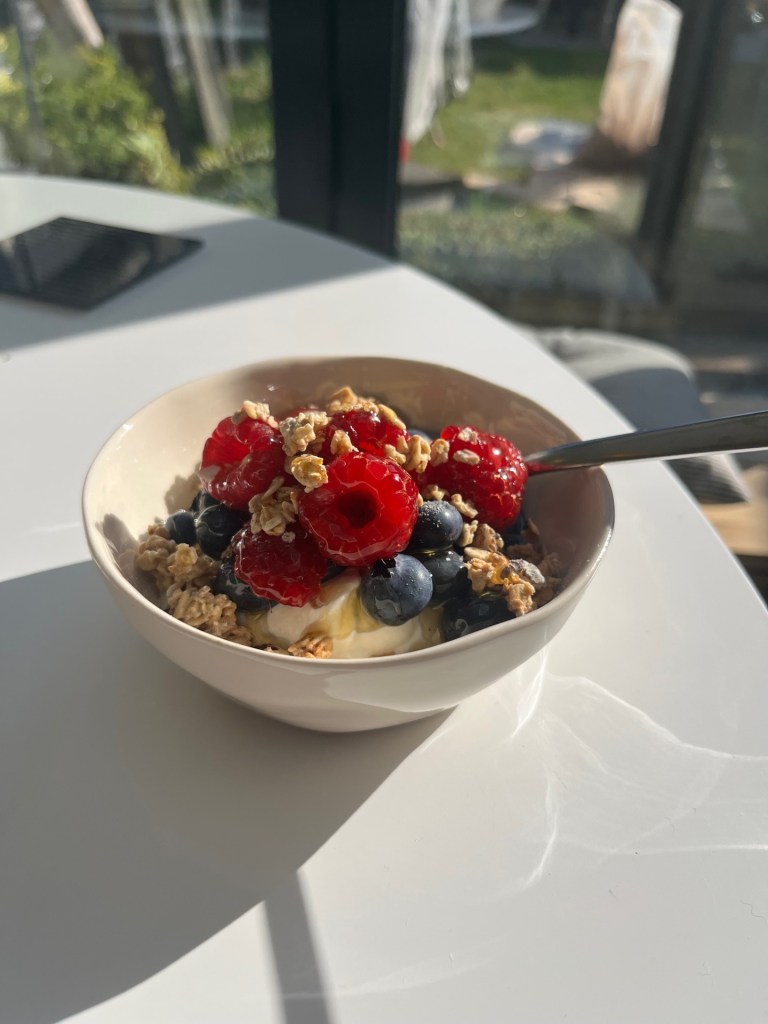
Raspberries – High in fibre and vitamin C and good source of folate. One of your five-a-day = 20 berries. Raspberries are delicious eaten just as they are as a snack, breakfast topping or a delicious dessert, combine with other berries and top with seeds and a drizzle of pomegranate molasses.
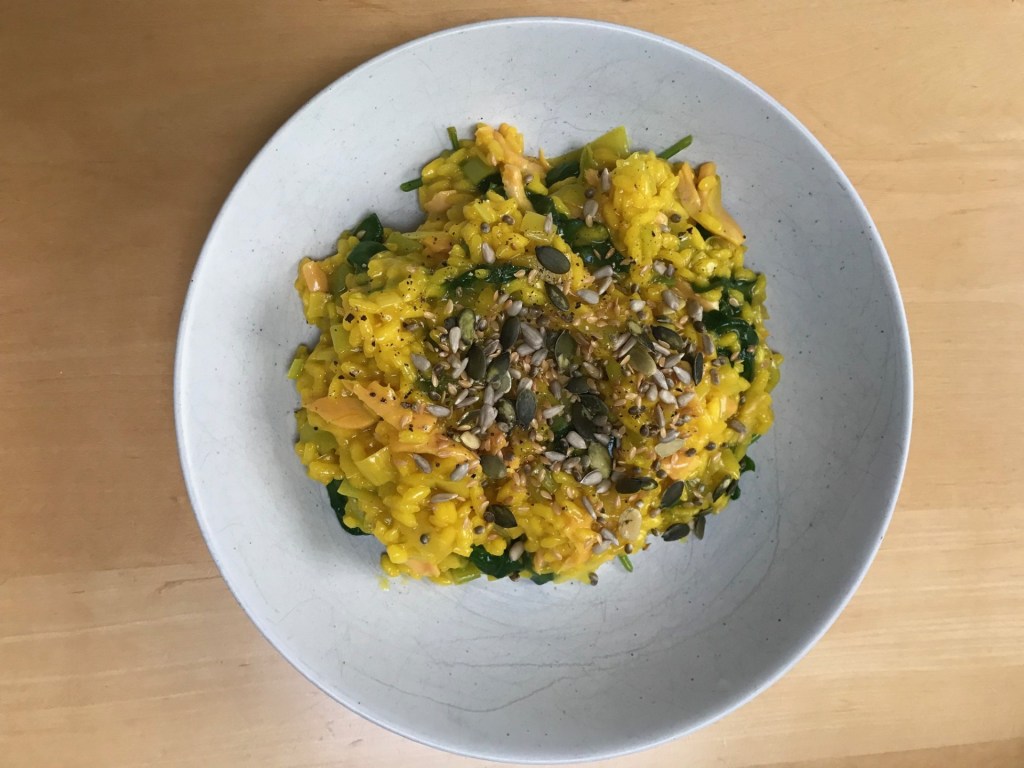
Spinach – High in vitamin C, K and folate. One of your 5-a-day = a large handful. Spinach is very useful to have in the fridge, if kept in a sealed container it will last a few days and also freezes well. Add to salads, smoothies, pasta, risotto, stews, omelettes and soups, a handful can boost the nutritional value of any dish.
References
Stoessel, F., Juraske, R., Pfister, S., & Hellweg, S. (2012). Life cycle inventory and carbon and water FoodPrint of fruits and vegetables: application to a Swiss retailer. Environ Sci Technol, 46(6), 3253-3262. https://doi.org/10.1021/es2030577
Tobarra, M. A., López, L. A., Cadarso, M. A., Gómez, N., & Cazcarro, I. (2018). Is Seasonal Households’ Consumption Good for the Nexus Carbon/Water Footprint? The Spanish Fruits and Vegetables Case. Environ Sci Technol, 52(21), 12066-12077. https://doi.org/10.1021/acs.est.8b00221
 MLT Nutrition