

Vitamin D is one of the fat-soluble micronutrients, it is unique because the body can synthesise it with the help of sunlight and therefore does not necessarily need a dietary source.
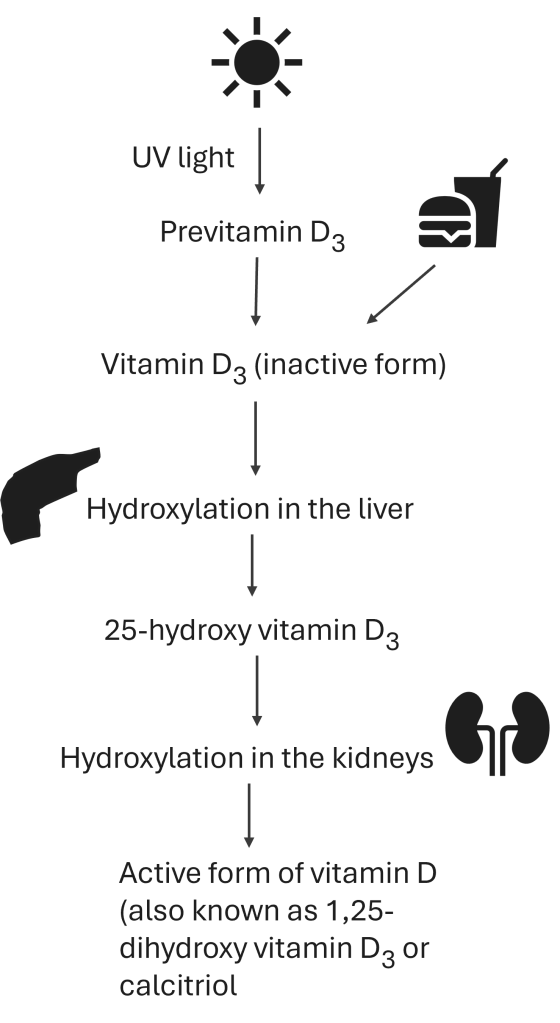
The chart below shows how vitamin D is made in the body, an inactive form is produced via UV light or ingested from food (oily fish, eggs, fortified products, supplements), this then goes through two processes of hydrogen and oxygen molecule additions within the liver and kidney resulting in an active form, this process takes around 36 hours and the vitamin D can be stored until needed.
Vitamin D contains binding proteins that carries it to three main target organs; the intestines, kidneys and bones but receptors for these proteins are also present within many other organs including the heart, blood vessels, muscles and endocrine glands.
One of the most important functions of vitamin D is the maintenance of blood concentrations of calcium and phosphorus, the deposition and absorption of these minerals results in the growth of stronger and denser bones. Inadequate levels of vitamin D can result in calcium loss from bones which can lead to osteoporosis, it is particularly important that older adults make sure they are getting adequate intake because as we age, we lose the capacity to make active vitamin D (Whitney, E et al, 2011).
A large body of research has shown that vitamin D plays a role in preventing many different types of cancers including prostate, colon and breast cancer, cardiovascular disease, autoimmune disorders, and diabetes (Holick et al, 2004).
Vitamin D deficiency risk is high within certain groups, those include older adults, menopausal women, individuals that avoid going out in the sun or wear clothes that cover the skin, these individuals as well as children aged 1 – 4 and all babies are recommended to take a daily supplement of 10µg, it is advised that the rest of the UK population supplement within the autumn and winter months only (NHS, 2020).
References
Holick MF. Vitamin D: importance in the prevention of cancers, type 1 diabetes, heart disease, and osteoporosis. Am J Clin Nutr. 2004 Mar;79(3):362-71. doi: 10.1093/ajcn/79.3.362. Erratum in: Am J Clin Nutr. 2004 May;79(5):890. PMID: 14985208.
NHS, 2020. http://www.nhs.uk/conditions/vitamins-and-minerals/vitamin-d/
Whitney, E et al, 2011. Understanding Nutrition: 2nd Edition
 MLT Nutrition