
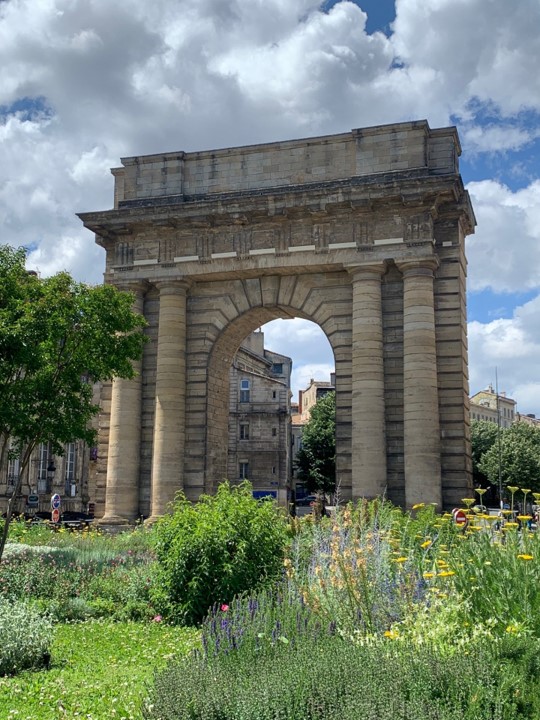
Bordeaux makes a great city break, I visited in the summer as part of a tour of the region and enjoyed how easy it was to get around, it has a fantastic tram system as well as being a very walkable city, in particular I loved the walkways running alongside the river for long stretches.
Food plays a major influence on this city, firstly there are many small open-air markets within the various neighbourhoods and then there are the bigger markets such as the daily Marche des Capusins (33800 Bordeaux) which as well as selling lots of fresh produce also contains many places to eat and drink. The other major food market is Les Halles de Bacalan (149 Quai de Bacalan, Bordeaux) which takes place Tuesday to Sunday and prides itself on the superior quality of their products and is known as the ‘fancy food’ market, it is located next to the spectacular Wine Museum which is worth a visit just to admire the architecture.
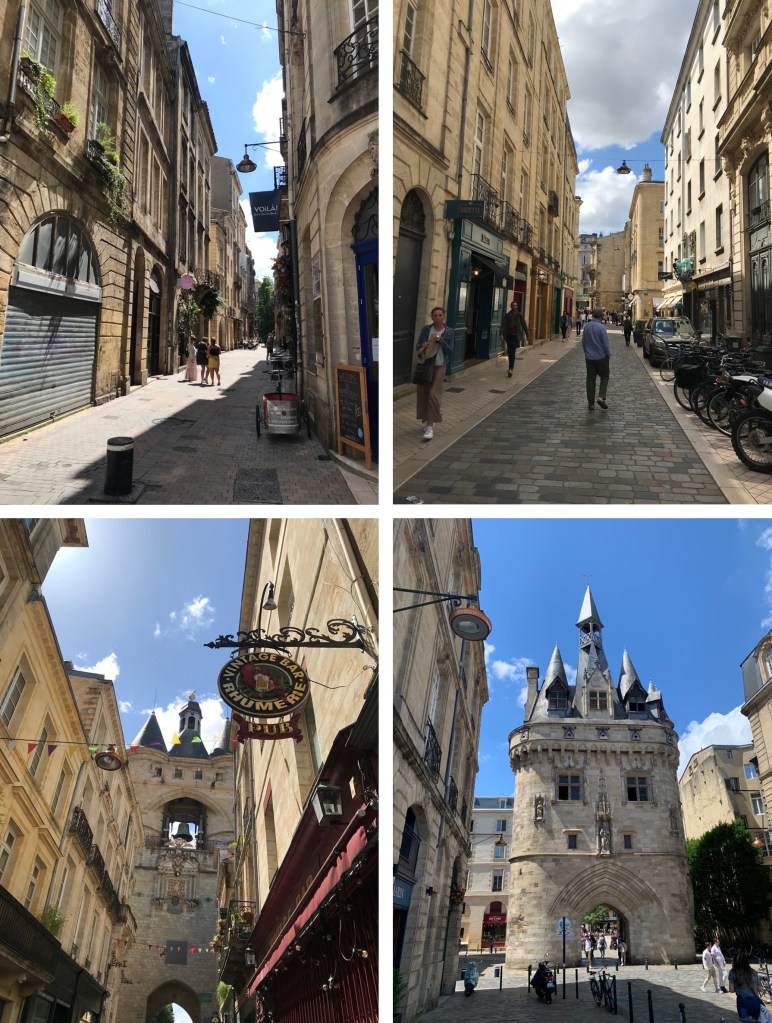
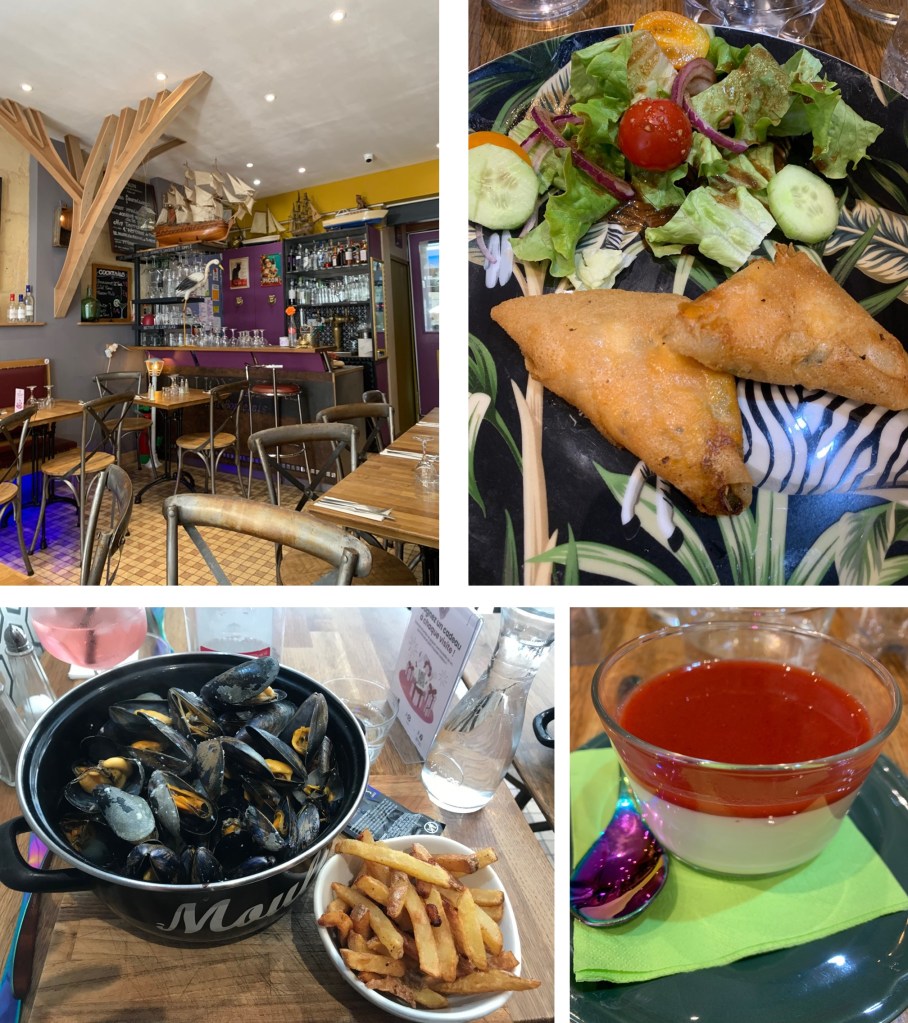
As well as the markets there are also numerous restaurants and cafes most of which serve a menu ‘formule’ at lunchtime which normally consists of a three-course meal containing two options for each course at a very reasonable price, I observed many locals enjoying a long, leisurely lunch. I enjoyed such a lunch at a small Bistrot within the Quartier de la Grosse Cloche, a lovely old part of the city which contains a beautiful 14th century clock tower and lots of cobbled streets lined with many independent shops, cafes and restaurants. At Le Lion Lilas (lelionlilas.com) I enjoyed a starter of vegetable samosas served with crisp salad, main course was moules in white wine and dessert a delicious raspberry cheese cake. The food was delicious and after three courses I felt nicely full, the meal was well paced, and each course was of good proportion and nutritionally varied.
I would say that this is typical of the French diet, although they consume what looks like a large amount of calories in fact it is generally well portioned, rich in fruit and vegetables and contains minimally processed food, and this along with a good level of daily physical activity is perhaps why the French enjoy low levels of obesity and cardiovascular disease compared to other western countries such as the US [1], it also forms the basis of what’s known as the ‘French Paradox’ [2]. The French tend to associate eating as a pleasurable activity and culturally worry less about the health implications of consuming for example cheese and wine, in my experience they also share excitement for quality fresh fruit and vegetables and regularly include it in their cooking, all important factors when aiming to eat a balanced, healthy diet.
References
1. Rozin, P., et al., Attitudes to food and the role of food in life in the U.S.A., Japan, Flemish Belgium and France: possible implications for the diet-health debate. Appetite, 1999. 33(2): p. 163-80.
2. Renaud, S. and M. de Lorgeril, The French paradox: dietary factors and cigarette smoking-related health risks. Ann N Y Acad Sci, 1993. 686: p. 299-309.
 MLT Nutrition