As a reminder of the challenge I set at the beginning of the month:
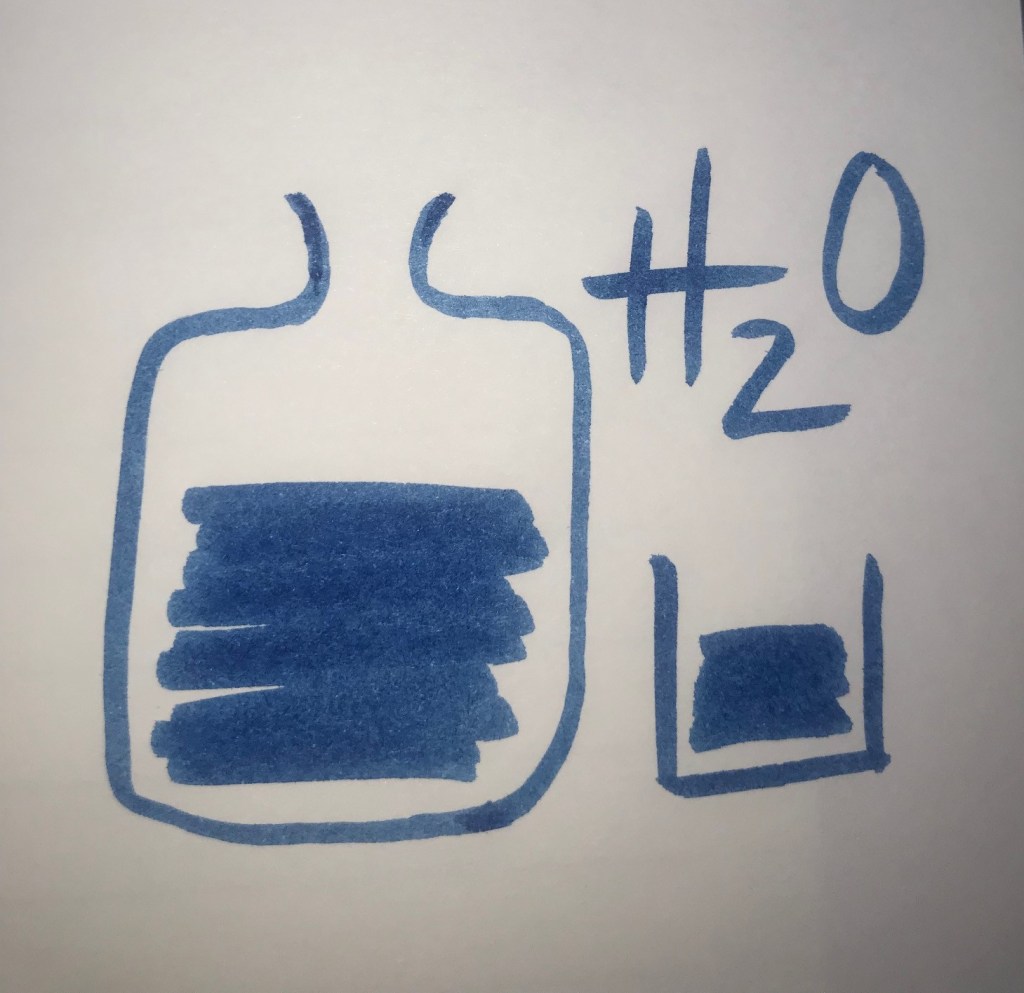
- Drink the recommended eight glasses (two litres) of water a day.
- Introduce two new fruit or vegetables a week.
- Walk/jog up and down your stairs at home ten times a day.
Hopefully you’ve managed to incorporate some or all of these into your daily life and felt some benefit from doing so, please feel free to treat yourself at the end of the month!
I would like to suggest that continuing to meet the recommended daily intake of two litres of water would be one of the most beneficial changes you can make to improve your health. Water is sometimes referred to as the ‘most essential’ nutrient which is due to the fact that although it makes up 40-70% of body mass only a small amount can be produced and stored by the body meaning that water losses need to be replaced daily [1].
There are two ways the body regulates water balance:
- Release of an anti-diuretic hormone called arginine vasopressin (AVP) which initiates water saving mechanisms through the kidneys[1].
- Thirst mechanisms which stimulate receptors in the brain to induce drinking and appetite for salt [1].
Adequate water intake can:
- Help prevent kidney stones and urinary tract infections by increasing urine flow and flushing the urinary tract[1].
- Reduce risk of metabolic syndrome and incident type-2 diabetes via the glucose control function of AVP[1].
- Stabilise blood volume, inadequate water intake can decrease blood volume leading to increased heart rate and low blood pressure, this is of particular importance to the elderly who can experience dizziness and falls, and menopausal women who are at increased risk of cardiovascular disease [2]
- Improve physical performance as dehydration during physical activity can lead to reduced endurance and motivation and increased fatigue[3].
- Improve mood and cognitive performance such as concentration, alertness, and short-term memory, this applies especially to the very young and very old[3].
- Provide relief from headaches, studies have shown that dehydration can trigger and prolong migraines which is thought to be due to intracranial plasma volume reduction[3].
- Improve skin thickness and density although it unfortunately cannot prevent wrinkles or other signs of aging[3].
- Potentially improve quality and duration of sleep, thought to be associated with the release of the hormone vasopressin which is released in response to hydration status and plays a role within the circadian rhythm that regulates sleep[4, 5].
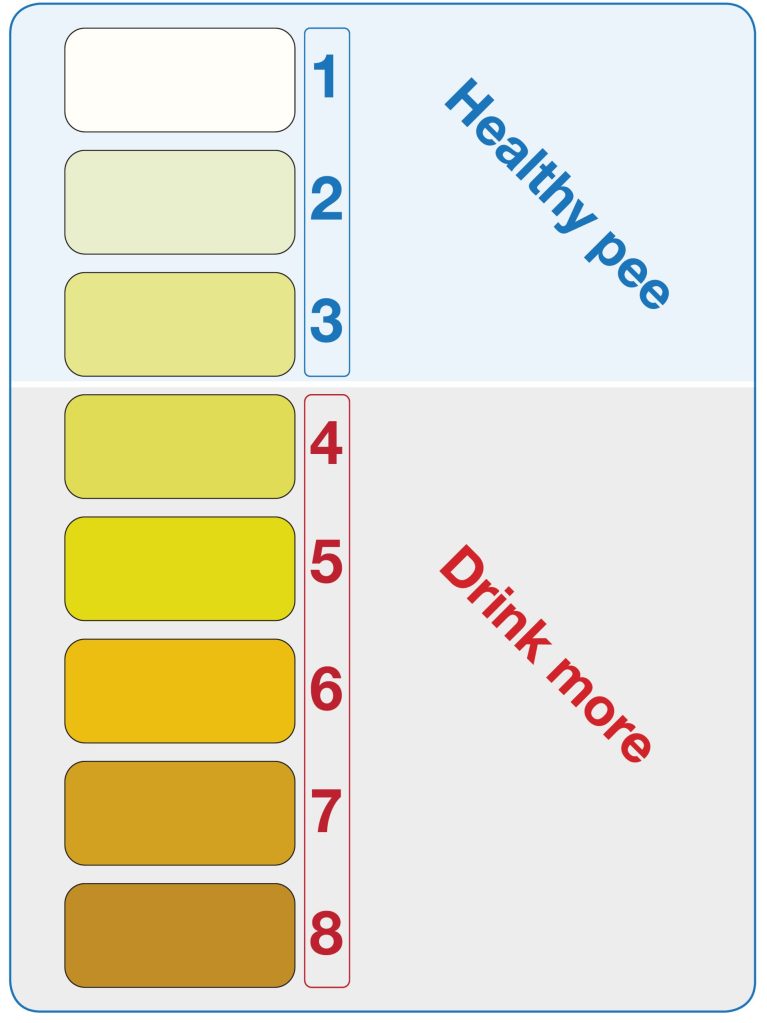
The best way to check your hydration status throughout the day is to compare the colour of your urine to the NHS chart shown below [2]. It is especially important that the elderly learn to drink regularly even when not thirsty as the water regulatory mechanisms of the body become defective as we age
References
1. Popkin, B.M., K.E. D’Anci, and I.H. Rosenberg, Water, hydration, and health. Nutr Rev, 2010. 68(8): p. 439-58.
2. NHS. Hydration – NHS Inform. 2023; Available from: www.nhsinform.scot/campaigns/hydration/.
3. Perrier, E.T., et al., Hydration for health hypothesis: a narrative review of supporting evidence. Eur J Nutr, 2021. 60(3): p. 1167-1180.
4. Rosinger, A.Y., et al., Short sleep duration is associated with inadequate hydration: cross-cultural evidence from US and Chinese adults. Sleep, 2019. 42(2).
5. Ellis, R.T., et al., The Effect of Hydration Status on Sleep Quality: A Pilot Study. The Effect of Hydration Status on Sleep Quality: A Pilot Study., 2023. 2(15): p. 20.
 MLT Nutrition